
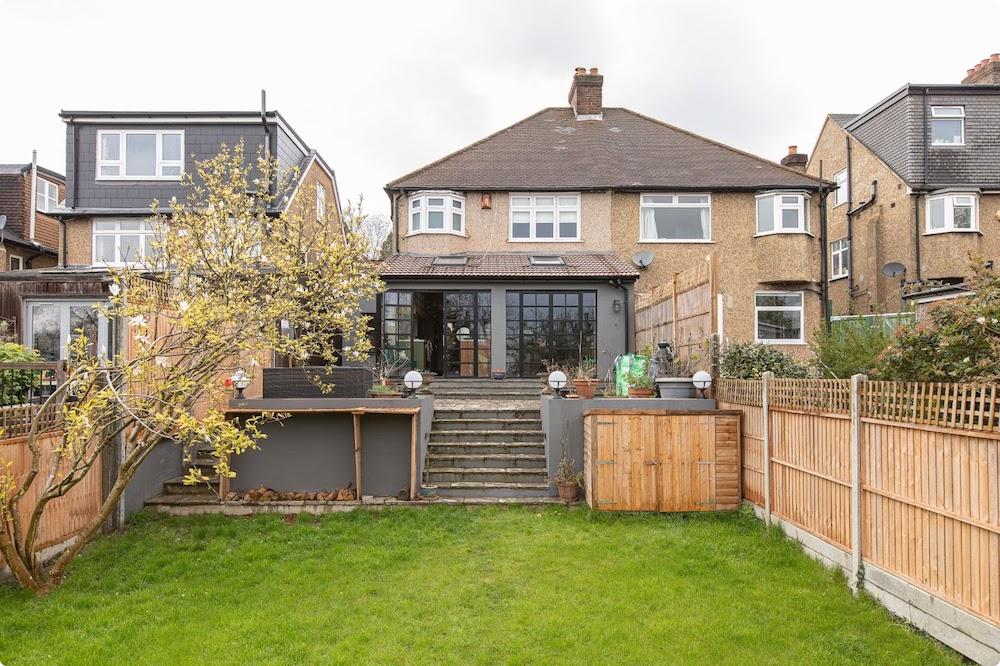
An interesting project that enables homeowners to add extra living space, raise the value of their house, and enhance comfort is a home extension. However, thorough planning is necessary before building starts. A professional land survey is one of the most crucial elements in the planning of a home addition. Surveying guarantees that the property’s limits, structure, and design are all precisely specified and comply with the law. Getting a survey of the Inner West may provide homeowners considering building projects the precise data they need to proceed with assurance.
Recognising A Land Survey’s Objective
A land survey offers a thorough examination of the borders, measurements, and physical characteristics of a property. Because it helps identify the precise site where the new building may be constructed, this knowledge is essential when planning an expansion. Surveyors collect accurate data about the terrain using sophisticated measurement equipment and mapping technologies.
Homeowners run the danger of constructing too close to property lines or breaking local zoning laws if they don’t have precise surveying information. To make sure the addition fits correctly inside the property’s legal boundaries, a professional survey is helpful. In order to gather accurate measurements that serve as a reference for architects, designers, and builders, many homeowners who are contemplating repairs or expansions depend on a survey Inner West.
Verifying Property Boundaries
Verifying property borders is one of the most crucial surveying tasks before beginning a house addition. Fences and other landscape elements may change over time, making it difficult to determine the actual boundaries of the property.
To ascertain the precise borders of the property, surveyors meticulously examine current documents, land titles, and physical landmarks. This procedure guarantees that the addition stays completely within the property borders and avoids conflicts with neighbours. When the proposed building is near fences or shared borders, precise boundary confirmation is especially crucial.

Performing an A-Level and Detail Survey
Completing a detailed and level survey is another crucial stage in the surveying process. The physical features of the land, such as slopes, elevations, existing buildings, trees, and drainage systems, are thoroughly described in this study.
When planning the expansion, architects and builders depend significantly on this information. They may make designs that follow the land’s natural contours thanks to precise elevation data. Homeowners may receive accurate site data that guarantees the expansion design is both structurally sound and functional by acquiring a survey of the Inner West.
Examining Current Utilities And Structures
Surveyors also record the locations of existing buildings, roadways, retaining walls, and other structures on the land prior to the start of development. This stage aids in determining how the new addition will fit into the house’s existing design.
Additionally, surveyors often spot obvious utility connections that might have an impact on development, such as easements, sewage lines, and drainage systems. Architects and contractors may prevent possible issues throughout the construction process by being aware of these elements early on.
Architectural Planning And Supporting Design
A house extension’s design phase heavily relies on survey data. In order to produce precise site plans and guarantee that the addition conforms with building norms and planning requirements, architects use survey data.
Professionals can establish suitable building setbacks, structural placement, and general layout by integrating survey data into the design process. This phase lessens the possibility of later, expensive changes and expedites planning approvals.
Designers have the clarity they need to create trustworthy architectural drawings and development applications when a thorough survey of the Inner West is carried out early in the planning procedure.
Helping With Planning And Council Approvals
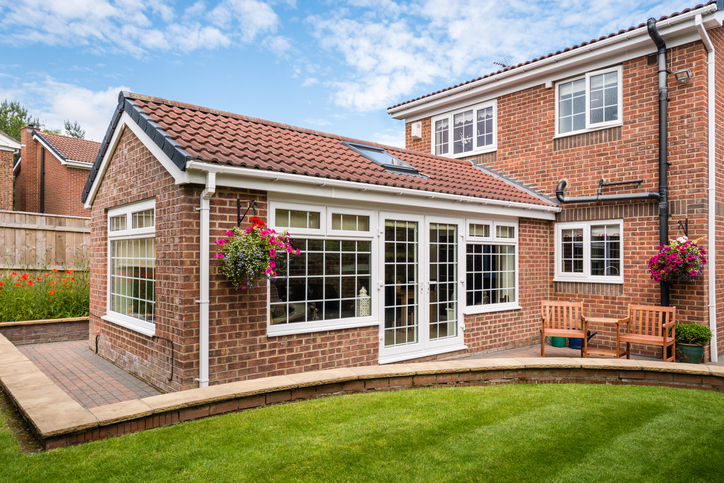
Before building can start, the majority of house expansions need local government permission. Survey records that show the precise measurements and layout of the property are often required for planning applications.
The technical measurements and drawings required for these submissions are supplied by surveyors. Their reports assist municipal authorities in determining if the planned expansion complies with setback, height, and zoning regulations.
Homeowners may increase the likelihood that their expansion project will be approved on schedule by including correct survey data with the application.
In Conclusion
Accurate site information and thorough planning are necessary when planning a house addition. In order to guarantee that the project starts with precise property borders, accurate land measurements, and a thorough grasp of site characteristics, professional surveying is an essential stage.
Every step of the expansion planning process depends on surveying, from verifying boundaries to assisting with architectural design and municipal clearances. Homeowners may proceed with their expansion project knowing that their plans are supported by accurate data and adhere to local regulations by investing in a professional survey in the Inner West.